

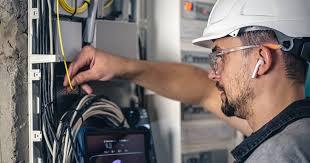
In 2026, maintaining a safe and efficient commercial property goes far beyond basic cleaning and upkeep. Business owners are now focusing on advanced preventive strategies to protect their assets, employees, and customers. Two of the most critical yet often overlooked services are commercial electrical inspection and water quality testing.
These essential inspections not only ensure compliance with safety regulations but also help prevent costly damage, improve operational efficiency, and build trust with clients. As industries evolve, integrating these services into your maintenance plan is no longer optional—it’s a smart business decision.
The Growing Need for Preventive Property Maintenance
Modern commercial spaces rely heavily on electrical systems and clean water supply. From office buildings to restaurants and industrial facilities, any failure in these systems can lead to serious consequences.
With stricter regulations and rising safety standards, businesses are now prioritizing early detection over emergency repairs. This shift has made both commercial electrical inspection and water quality testing vital components of property management.
What Is a Commercial Electrical Inspection?
A commercial electrical inspection is a detailed evaluation of your building’s electrical system. Certified professionals assess wiring, circuits, panels, and equipment to ensure everything is functioning safely and efficiently.
The inspection typically includes:
- Checking for faulty or outdated wiring
- Inspecting circuit breakers and panels
- Testing electrical load capacity
- Identifying fire hazards or code violations
- Ensuring compliance with safety standards
Regular inspections help detect hidden issues that could otherwise lead to power failures, equipment damage, or even electrical fires.
Latest Trends in Commercial Electrical Inspection
The electrical inspection industry is rapidly advancing with new technologies and smarter systems. Here are some key trends in 2026:
Smart Monitoring Systems
Businesses are now using IoT-based sensors to monitor electrical performance in real time. These systems alert property owners about potential issues before they become serious problems.
Thermal Imaging Technology
Thermal cameras are widely used to detect overheating components, which are often early signs of electrical failure.
Energy Efficiency Audits
Modern inspections go beyond safety—they also evaluate energy usage, helping businesses reduce electricity costs and carbon footprint.
Digital Reporting and Automation
Inspectors now provide detailed digital reports with actionable insights, making it easier to plan repairs and upgrades.
What Is Water Quality Testing?
Water quality testing involves analyzing water sources to ensure they are safe for use. This is especially important for businesses such as restaurants, hotels, healthcare facilities, and offices where water is consumed or used daily.
Testing typically checks for:
- Bacteria and harmful microorganisms
- Chemical contaminants
- pH levels and mineral content
- Water clarity and odor
Ensuring clean water is not just about compliance it directly impacts health, safety, and reputation.
Why Water Quality Testing Matters More Than Ever
In 2026, awareness around health and hygiene has reached new heights. Customers and employees expect businesses to maintain high standards of cleanliness and safety.
Here’s why water quality testing is essential:
Health and Safety Protection
Contaminated water can cause serious health issues. Regular testing ensures a safe environment for everyone.
Regulatory Compliance
Many industries are required to meet strict water safety standards. Testing helps you stay compliant and avoid penalties.
Brand Reputation
Clean and safe water reflects your commitment to quality, which enhances customer trust.
Preventing Long-Term Damage
Poor water quality can damage plumbing systems and equipment, leading to expensive repairs.
The Combined Benefits of Both Services
When used together, commercial electrical inspection and water quality testing provide a comprehensive safety net for your business.
1. Reduced Operational Risks
Identifying issues early prevents unexpected breakdowns and disruptions.
2. Cost Efficiency
Preventive maintenance is always more affordable than emergency fixes.
3. Improved Workplace Environment
Safe electricity and clean water create a healthier and more productive workspace.
4. Increased Property Value
Well-maintained systems enhance the overall value of your commercial property.
How Often Should You Schedule These Inspections?
For optimal results, businesses should follow a consistent inspection schedule:
- Commercial electrical inspection: At least once a year or after major upgrades
- Water quality testing: Every 6 to 12 months, depending on usage and local regulations
High-risk industries may require more frequent checks to ensure safety and compliance.
The Role of Professional Cleaning and Maintenance Services
A clean environment plays a crucial role in maintaining both electrical systems and water quality. Dust, debris, and contaminants can negatively impact system performance and safety.
Professional cleaning services help by:
- Removing dust and buildup around electrical systems
- Preventing contamination in water systems
- Maintaining overall hygiene and efficiency
Integrating cleaning with inspection services ensures a holistic approach to property care.
Final Thoughts
As businesses continue to adapt to modern challenges, prioritizing safety and efficiency is more important than ever. A commercial electrical inspection ensures your electrical systems operate safely and efficiently, while water quality testing protects the health and well-being of everyone in your building.
By investing in these essential services, you not only prevent costly issues but also create a safer, more reliable, and professional environment. In 2026, smart businesses aren’t waiting for problems to occur they’re preventing them before they happen.
Take the proactive route today and make inspections a core part of your maintenance strategy for long-term success.
